
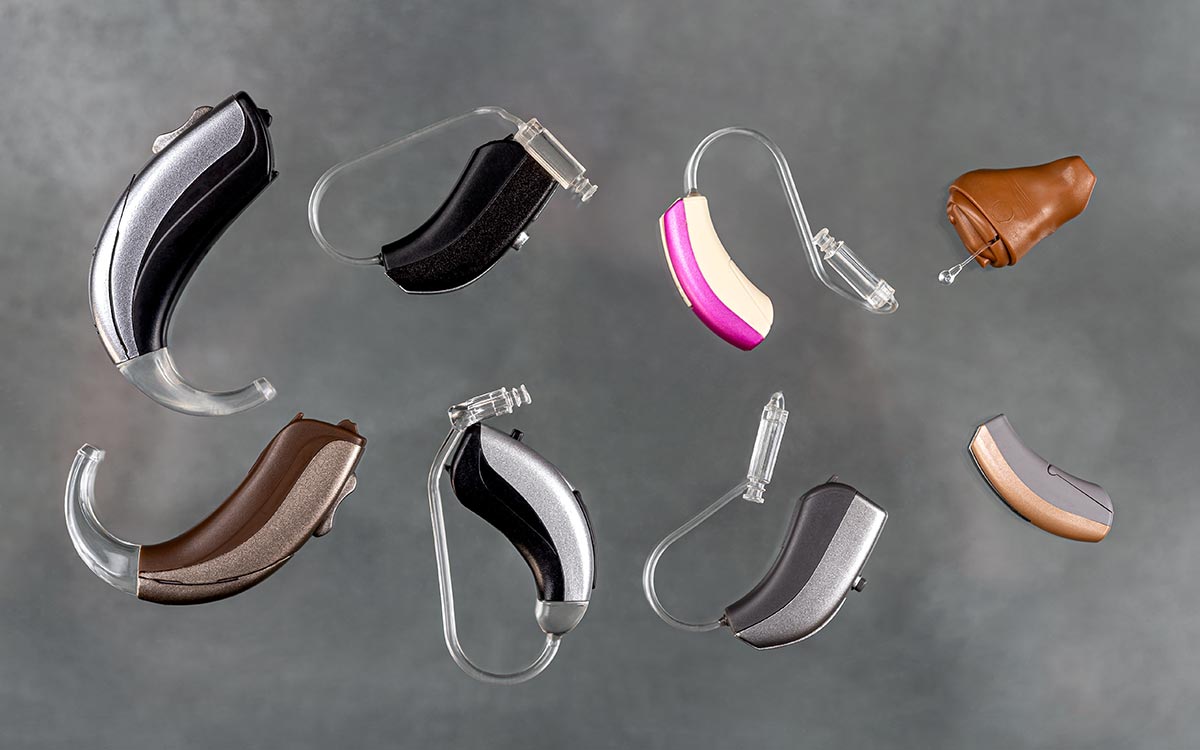
With so many choices in terms of dimensions, style, and technology, the process of picking an instrument can feel quite intense. But no matter your needs, there’s a hearing solution for every lifestyle, preference, and degree of hearing loss. The key is merely identifying the one that fits you best.
Gaining a clear understanding of common hearing aid categories will empower you to make a wise decision for your hearing health. This guide explores the most popular styles and highlights the specific advantages each one offers.
ITC (In-the-Canal) Hearing Systems
Basic Summary:
A custom device is engineered to sit partially within the ear canal while showing just an inconspicuous section in the outer ear area.
Key Selling Features:
- Less apparent than conventional full-size models
- Tailored to the specific contours of your ear
- Appropriate for mild to moderate hearing loss
These devices are commonly recommended for novices due to their effective mix of subtle design and user-friendly functions.
Ultra-Discreet IIC Aids
Core Characteristics:
As the most compact custom option, IIC aids represent the smallest available style. They are placed deep within the canal to remain hidden from view.
User Pros:
- Maximum cosmetic discretion
- Provides authentic sound because of where the device sits
- Designed for comfort with an incredibly small footprint
Because of their small size, IIC devices typically work best for mild to moderate hearing loss and for those who prefer a nearly invisible option.
Understanding In-the-Ear (ITE) Units
What they are:
A custom hearing aid fits snugly within the outer ear, available in both full-shell and half-shell configurations. The shell is specially formed to the specific contours of your individual ear.
The Benefits:
- The larger size makes it possible to include more internal components and longer-lasting batteries
- The physical size is simpler to grip and adjust for users with fine motor concerns
- Effective for an extensive range of hearing impairments, ranging from mild to severe
Users often select these models for their straightforward, single-piece construction that avoids any external wiring or tubing.
Behind-the-Ear (BTE) Hearing Aids
Technical Detail:
BTE hearing aids rest securely behind the ear. These models utilize an individualized earmold or tubing to direct sound inside.
Why users select them:
- Offers a long-lasting and versatile solution for various environments
- Function for nearly all degrees of hearing loss
- Offer space for advanced features and rechargeable batteries
If you need a sturdy hearing aid that is easy to operate and offers high-power output, the BTE style is ideal.
Modern RIC (Receiver-in-Canal) Models
Component Layout:
The RIC style keeps the main body behind the ear while moving the receiver into the ear canal itself.
Why users choose them:
- Known for creating some of the most realistic audio in the industry
- Offers an incredibly low-profile look that is comfortable for almost everyone
- Great for many levels of hearing loss
RIC devices are one of today’s most popular models, thanks to their blend of comfort, aesthetics, and performance.
Extended-Wear Device Details
Operational Info:
These unique aids are designed to stay in the ear canal for an extended period or more, managed by your hearing specialist.
The Draw:
- Provides a hassle-free experience with no daily maintenance required
- Offers a 100% covert solution for hearing health
- Engineering allows them to remain in the ear during all facets of daily life
If you prefer an auditory solution that requires zero daily thought, the extended-wear style is perfect.
Wireless Bluetooth Syncing
Operation:
Bluetooth-ready hearing aids enable an electronic bridge between your hearing technology and your smart devices.
Digital Benefits:
- Allows for sharp voice calls and media streamed directly to the device
- Allows for quick, subtle adjustments to your hearing aids through digital software
- Provides the ultimate in ease for those who use smartphones regularly
This wireless technology is found in most modern behind-the-ear and in-the-canal models.
Understanding Middle-Ear Implant Technology
Technical Description:
Middle-ear implants are specialized tools that employ mechanical vibration to enhance hearing via the middle ear.
Who they are for:
- An accessible route for patients who are unable to wear standard acoustic devices
- Solves the problem of ear discomfort caused by regular hearing aids
These devices require an exhaustive medical review by an ear, nose, and throat expert.
Your Path to Improved Sound
Selecting a hearing aid is a personal journey that takes into account your hearing severity, lifestyle habits, and visual preferences. By consulting an expert, you can investigate various models and see which one feels most natural to you.
Take the initiative for your hearing health by booking an expert evaluation today. It is the most important step you can make toward an increasingly vibrant and confident life.
Sources:
https://www.mayoclinic.org/diseases-conditions/hearing-loss/in-depth/hearing-aids/art-
20044116
https://www.hearinglife.com/hearing-aids/types
https://www.nidcd.nih.gov/health/hearing-aids